
Updated September 2026
What changed
Saudi Arabia’s Law of Real Estate Ownership by Non-Saudis was approved and published in July 2025 and came into force on 22 January 2026. It lets non-Saudi individuals, companies and other entities own property, and other real rights over property, in geographic zones set by the Council of Ministers. The Council approved the Implementing Regulations in June 2026, setting out procedures, fees and conditions in detail.
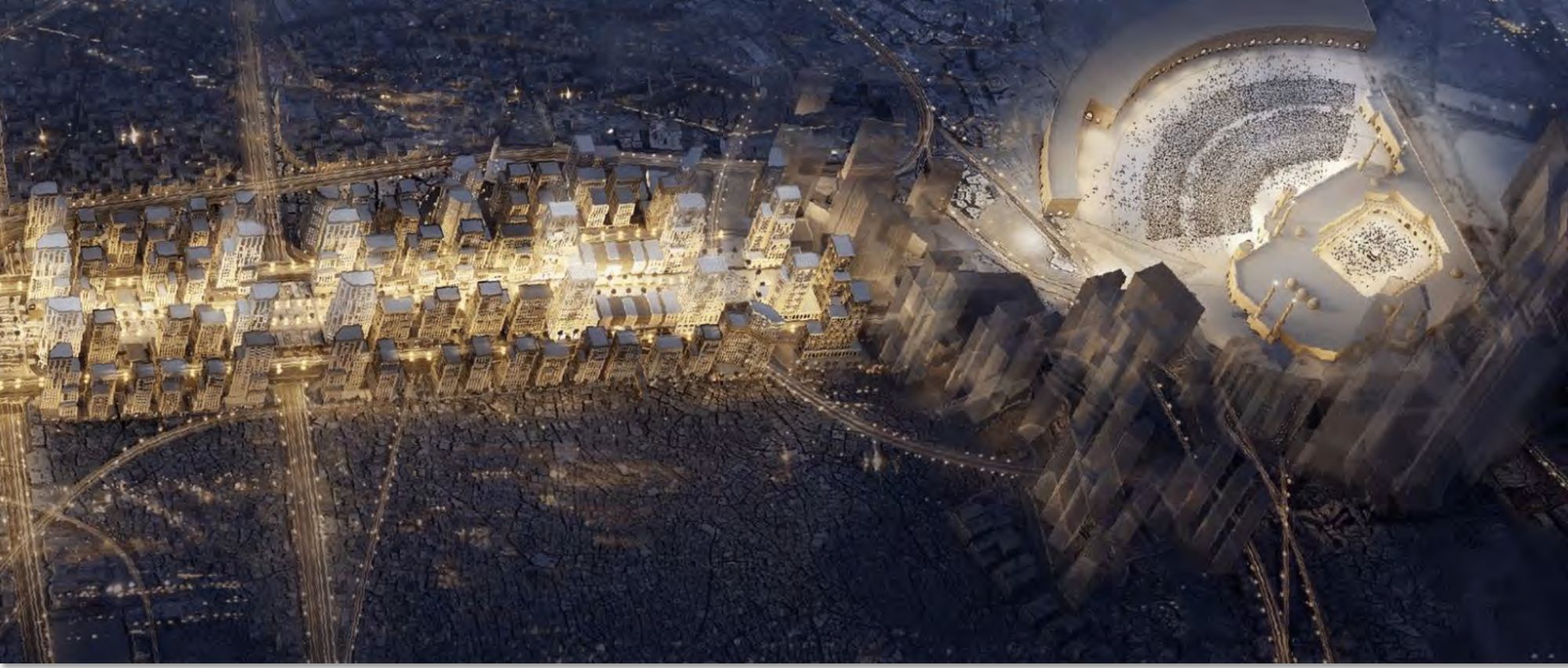
Makkah and Madinah
The Holy Cities have their own, stricter rules:
- Only Muslims may own as individuals, whether they live in Saudi Arabia or abroad.
- Ownership is limited to designated zones. Outside them, general foreign ownership remains prohibited.
- Companies may hold property in the Holy Cities only in the limited cases the law allows, for example Saudi companies and approved business uses.
- The type of right can differ by zone: full ownership in some places, a long-term right of use (usufruct) in others. The official map shows which applies.
Who oversees it
The Real Estate General Authority (REGA) runs the system through the Saudi Properties platform. A supervisory committee of thirteen government bodies oversees implementation, including the Ministry of Justice, the Royal Commission for Makkah City and Holy Sites, and the Madinah Region Development Authority.
Registration is what makes it yours
A purchase is only legally effective once it is registered with the competent authority and recorded in the national Real Estate Registry. A signed contract or a developer’s receipt is not enough on its own.
Penalties
The law allows fines of up to SAR 10 million per violation, and in serious cases a forced sale of the property. The Implementing Regulations set lower, value-based penalties for many breaches, including up to 5% of the value of the right for giving false information. The practical lesson: apply only through the official platform, and make sure everything you declare is accurate.
What the law does not do
- It does not open all of Makkah and Madinah. Only the designated zones.
- It does not by itself give you residency. See our Premium Residency guide.
- It does not replace due diligence. The law sets the rules; it does not check the property, the developer or the price for you.